In many large cities you can now use your cell phone to call Uber or Lyft instead of hailing a taxi. Would you expect this to affect the prices of taxi medallions (that is really the supply of taxis)? Why or why not?
Yes, while Uber and Lyft continue to dominate the market in transportation compared to taxis, the demand for taxi medallions will continue to decrease. This will cause the supply to decrease because there is not a need or want for those taxis because Uber and Lyft provide a similar service for a cheaper price while keeping their apps user friendly. By doing this Uber and Lyft are increasing both their supply and demand. For taxis to compete with what Uber and Lyft have to offer, they will have to lower their prices to a level that can compete with these two apps.
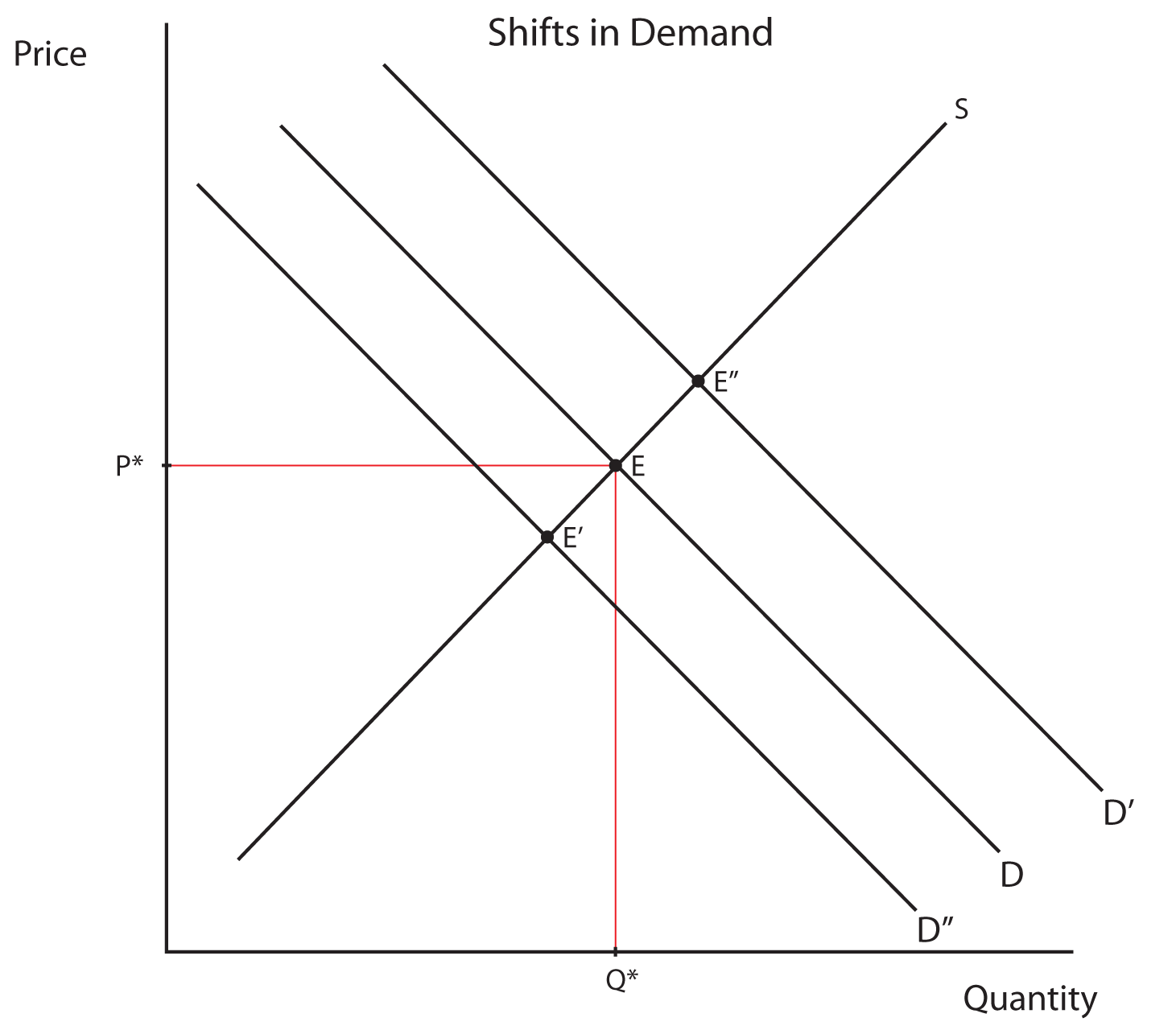
Can you think of an example where you watched the supply of a good or service change rapidly? (For example, a new hotel or restaurant opened.) Based on the chapter what would you expect to see happen? Why?
A really good example I found for this question that is relevant especially today, is the supply of a well thought out brand called Yeezy. The brand sells very limited quantity sneakers that are extremely in demand for luxury goods. Today the brand actually released their sneakers in mass quantities to the public. This means it is no longer as limited as it was in the past. Before the brand decided to do this, there was a whole resell market for these shoes. If a consumer were to have the opportunity to purchase these shoes at retail price, they could easily sell them for 3 times their original value. Today while the brand decided to release these sneakers, the demand suddenly fell because they were no longer limited items to consumers.
Give another example of a concept from this chapter. For example I used AirBnB to rent an apartment in San Francisco a few years ago. How did AirBnB affect the supply of short term room rentals in San Francisco? How about the supply of long term rentals?
An example of a concept from this chapter is Netflix. When Netflix was released to the public, there was a slow decline in rentals for movies and entertainment like Blockbuster. Netflix achieved this by creating a month by month payment bases instead of paying for each individual movie rented at a Blockbuster. In my opinion Netflix basically created this large supply of movies that were in demand by the people, and offered all of them for the same rate to every individual, rather than paying for each separate movie. This caused Blockbuster to go out of business with only one store left.

 Principle of Macroeconomics Blog